Black History Month is a time to honor the artists whose voices have shaped and continue to shape our cultural landscape. In symphonic music, Black composers have long expanded the art form, blending classical traditions with spirituals, jazz, protest, poetry, and lived experience. Yet for much of history, these voices were intentionally excluded from the concert halls, curricula, and institutions that defined the canon.
This absence was never a reflection of artistic merit, but of a symphonic world built around narrow ideas of whose stories and sounds were deemed worthy. Acknowledging this history is essential if the art form is to move forward.
Honoring Black History Month through symphonic music requires more than recognition. It calls for an ongoing commitment to creating a decolonial and accessible symphonic space that challenges exclusionary traditions, broadens programming, supports living composers, and welcomes audiences long made to feel the concert hall was not meant for them.
Engaging with this music is a beginning, but not the end. We encourage continued learning through reading, attending talks, supporting Black led arts organizations, and listening intentionally throughout the year. When possible, consider donating your time or resources to racial justice efforts working toward equity in the arts and beyond.
Symphonic music is alive and evolving, and it is strongest when appreciation is paired with accountability and commitment.
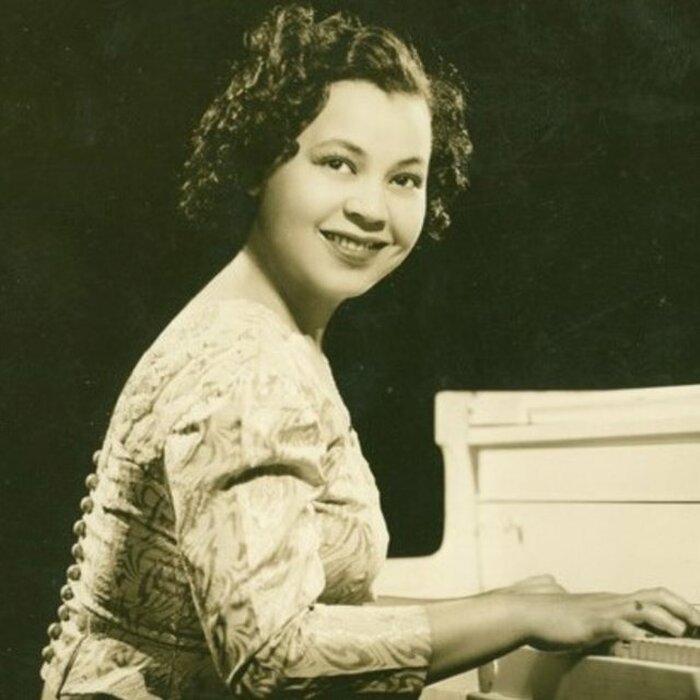
This season, the Des Moines Symphony highlights that legacy through the music of Margaret Bonds, featured in Music from the Montgomery Variations. Written in response to the Montgomery Bus Boycott, Bonds’ work transforms the Civil Rights Movement into sound that is urgent, reflective, and deeply human. Her music reminds us that the symphony hall can be a space not just for beauty, but for truth and collective memory.
To deepen your Black History Month listening, we invite you to explore these powerful works by Black composers whose music deserves continued presence on our stages.
Julius Eastman, Symphony No. 2
A radical, genre-defying work that challenges Western classical hierarchy and tradition. Eastman’s music was marginalized during his lifetime, yet today it feels urgently contemporary and necessary.
Valerie Coleman, Umoja: Anthem of Unity
Originally written for wind quintet and later orchestrated, this work draws on African dance rhythms and Afro Cuban musical language while celebrating collective strength and joy.
Tania León, Stride
A Pulitzer Prize winning orchestral work that blends modernist textures with Afro Cuban influences, honoring Susan B. Anthony while asserting a bold, unmistakable voice.
George Lewis, The Will to Adorn
A richly layered orchestral piece exploring ornamentation across cultures, questioning Eurocentric ideas of musical “simplicity” and sophistication.
Courtney Bryan, Yet Unheard
A deeply expressive work inspired by spirituals and historical texts, giving sonic space to voices that history attempted to silence.
Tyshawn Sorey, Autoschediasms
Blurring composition and improvisation, Sorey’s work expands what orchestral music can be, inviting flexibility, listening, and trust within the ensemble.
Jessie Montgomery, Banner
A reimagining of the national anthem that interrogates American identity, protest, and belonging through layered historical references.
Daniel Bernard Roumain, We Shall Not Be Moved
A genre crossing, socially engaged work that merges classical, hip hop, and multimedia elements to confront injustice and collective action.