An Unlikely Renaissance
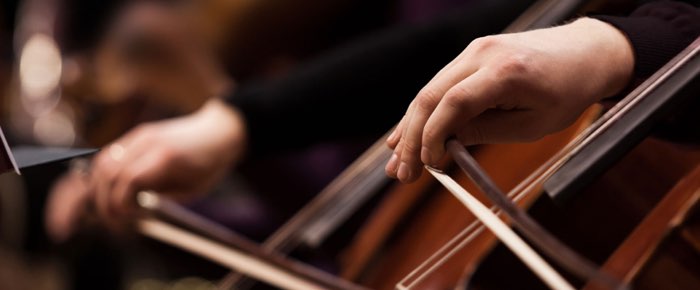
The numbers disrupt the narrative of classical music's decline. According to the League of American Orchestras, the number of customer households attending orchestras increased by 14% between the 2022–23 and 2024–25 seasons, while single-ticket sales rose 9% in volume and 27% in revenue, highlighting renewed demand for live music experiences.
The hunger for orchestral music isn't fading. It's intensifying.
What a Screen Can't Replicate
Streaming a symphony recording and sitting inside a concert hall during a live performance are not the same experience. The acoustic physics of a great hall, the visible labor of multiple musicians breathing together, the communal silence of an audience waiting for a coda to resolve: none of that translates through earbuds.
Live music taps into something deeper. When you stand in a crowd, feel the bass vibrate through your chest, and hear a song performed live, your brain responds differently. According to the National Institutes of Health (NIH), live performances stimulate the emotional centers of the brain more strongly than recorded music, creating a richer and more immersive experience.
The NIH specifically cites that live and shared music experiences can reduce cortisol, the body’s primary stress hormone, and influence other biological markers tied to stress and well-being. Music can energize or calm the body in healthy ways. That difference explains why, even in a digital-first world, live music hasn’t faded; it’s evolved into something even more valuable.
Gen Z Discovers the Orchestra Pit
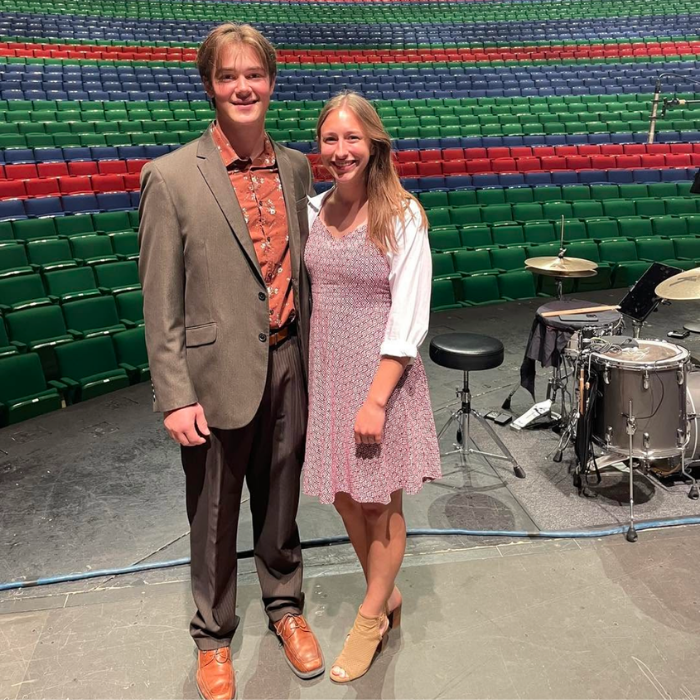
Perhaps the most compelling chapter of this story belongs to younger audiences. Conventional wisdom assumed that Gen Z, raised on TikTok, Spotify, and streaming services, would have little patience for a three-hour Mahler symphony. The data says otherwise.
According to a study by the Royal Philharmonic Orchestra, adults under 35 are more likely to listen to classical music than older generations, including their parents. Symphony.org found that more than half of classical audiences are newcomers to the space, with less than a third being longtime fans.
What's driving younger listeners to the concert hall? Part of the answer lives in pop culture. Modern franchises such as Marvel, Star Wars, Harry Potter, and The Lord of the Rings rely heavily on symphonic scores, which makes orchestral sound feel cinematic and emotional rather than old-fashioned to Gen Z.
Symphony concerts centered on video game music frequently attract younger and first-time audiences and often sell out, as research shows these performances are helping orchestras reach new listeners and expand demand for live symphonic experiences.
TikTok has also become an unlikely concert hall lobby. Scroll through TikTok for a few minutes, and you’re likely to come across millions of posts set to Frédéric Chopin’s op. 9 Nocturne No. 2. Its wistful, drifting melody has become an unlikely soundtrack for everything from Gen Z ennui to millennial frustration.
The Antidote to Digital Isolation
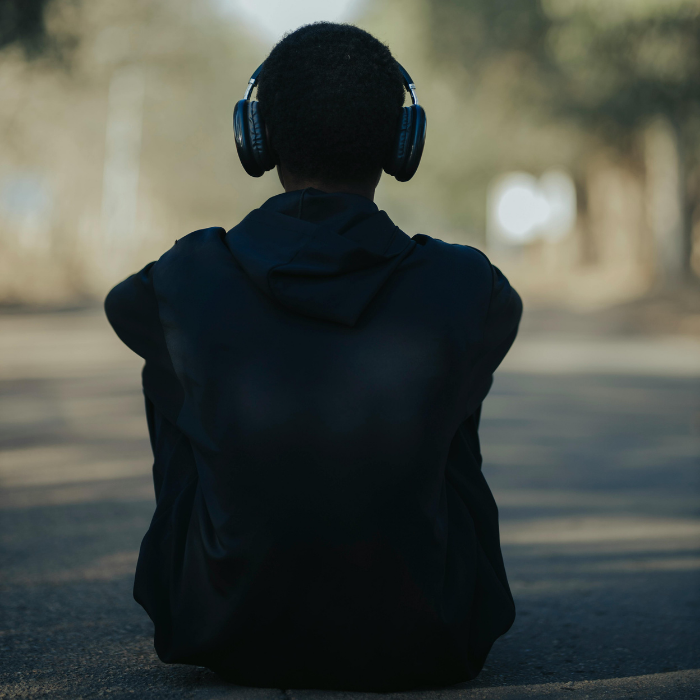
Digital streaming is often a solitary experience. Even when we share a playlist, we usually listen to it through noise-canceling headphones or while driving alone. That convenience creates a content culture where music often serves as background noise for our chores, workouts, and commutes.
Live music flips that script. It demands your full attention. When you enter a venue, you transition from a consumer to a participant. Nonprofit and academic research also highlights music’s ability to foster social connection and a sense of belonging, offering a powerful counterbalance to the isolation often associated with digital life.
A 2025 peer-reviewed study published in the Journal of Community & Applied Social Psychology also found that attending live music events is associated with well-being outcomes, collective self-realization, and a sense of shared identity among concertgoers, with the strongest effects on life satisfaction and mental well-being.
The Sound That Stays With You
A playlist ends. A symphony performance lingers for days. The memory of hearing a full orchestra doesn't fade the way a streamed track does. It compounds.
The symphony orchestra has survived the invention of recorded sound, including the radio, the vinyl record, the eight-track tape, the cassette tape, the CD, the MP3, and streaming services. It will survive the algorithm, too, not by competing with digital convenience, but by offering the one thing digital music cannot: presence. The unrepeatable moment of multiple musicians and potentially thousands of listeners breathing in the same room, chasing the same beauty together.
About the Des Moines Symphony & Academy
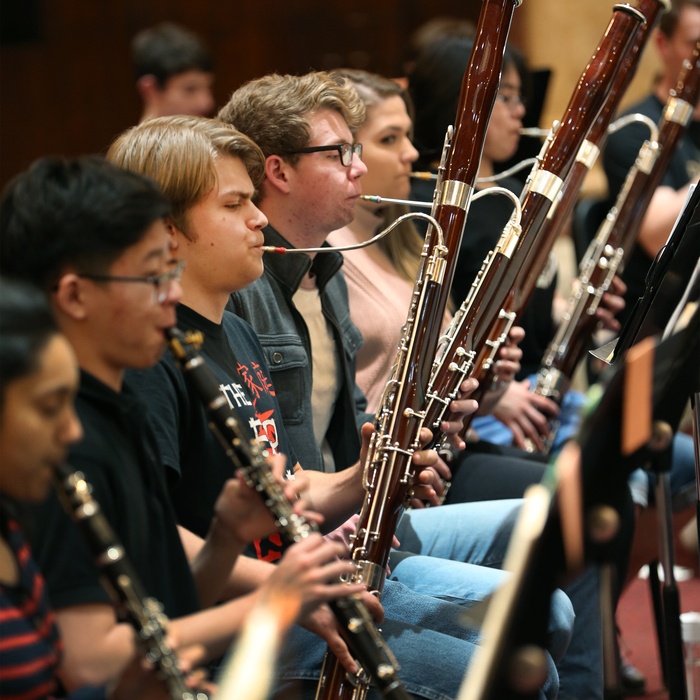
The Des Moines Symphony & Academy believes live music connects us. We create extraordinary concert experiences and transformative educational opportunities that welcome and inspire people of all ages across Central Iowa. Through dedicated teaching, innovative programming, and powerful performances of great symphonic music, we serve our community with artistry, excellence, and heart.
Check out our concerts and events, subscribe, or support our tradition of musical excellence!