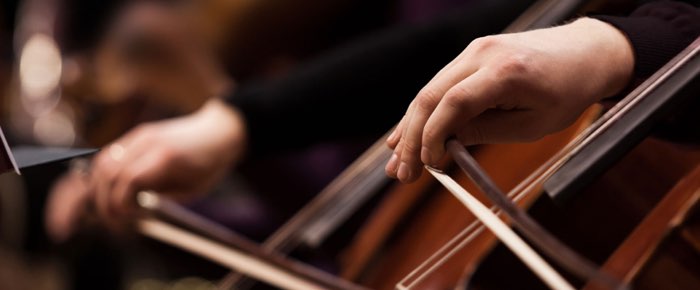
The Health Benefits of Music
Music has a way of reaching us that few other things can match. Maybe it's the song that always brings back a favorite memory from your youth, or the one you used to sing to your kids at bedtime. That connection does more than stir up good memories. Research increasingly shows that listening to music, playing an instrument, or singing with others can strengthen memory, ease depression, and even lower the risk of dementia in older adults.
If you're looking for a simple, enjoyable way to support your health as you age, you may already have the answer sitting in your record collection or on your phone's playlist. Here are five ways music supports healthy aging, backed by current research.
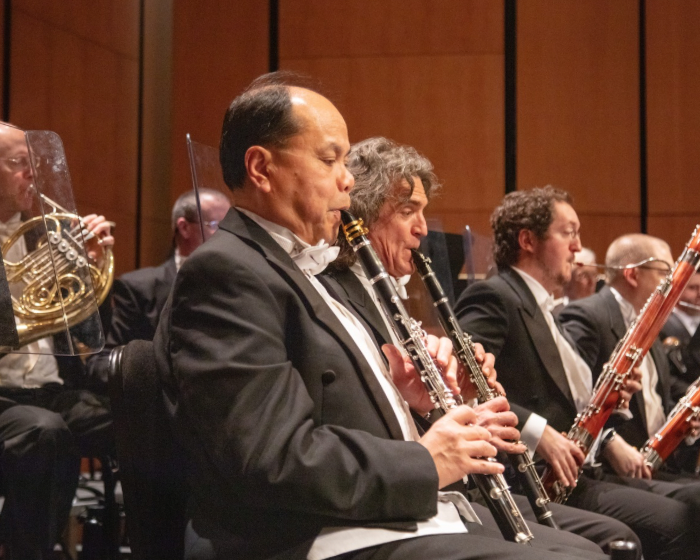
1. Music Strengthens Memory and Thinking Skills
Learning to play an instrument challenges your brain in ways few other activities do. According to UCLA Health, 10 weeks of musical instrument training improves verbal memory in older adults, and 16 weeks of piano lessons boost working memory and thinking speed in adults ages 60 to 80.
You don't need formal lessons to see cognitive benefits, either. A 2025 systematic review and meta-analysis published in Frontiers in Psychology found that music-based interventions significantly improved global cognitive function among cognitively normal older adults across nine studies. Whether you pick up a guitar or simply set aside time to listen closely to your favorite tunes, you give your brain a workout.
2. Music Helps Protect Against Dementia
Beyond memory, music appears to support long-term brain health. UCLA Health also reports that a review found older adults who played an instrument had a lower risk of developing dementia than those who didn't. A separate clinical trial published in Frontiers in Aging found that healthy adults aged 65 to 74 who participated in 16 weeks of weekly group music sessions showed significant improvements on standard cognitive tests, along with increased vigor and activity levels.
Researchers point to a simple explanation: playing music requires your brain to coordinate hearing, movement, and memory all at once, and that kind of complex mental engagement helps keep neural pathways active as you age.
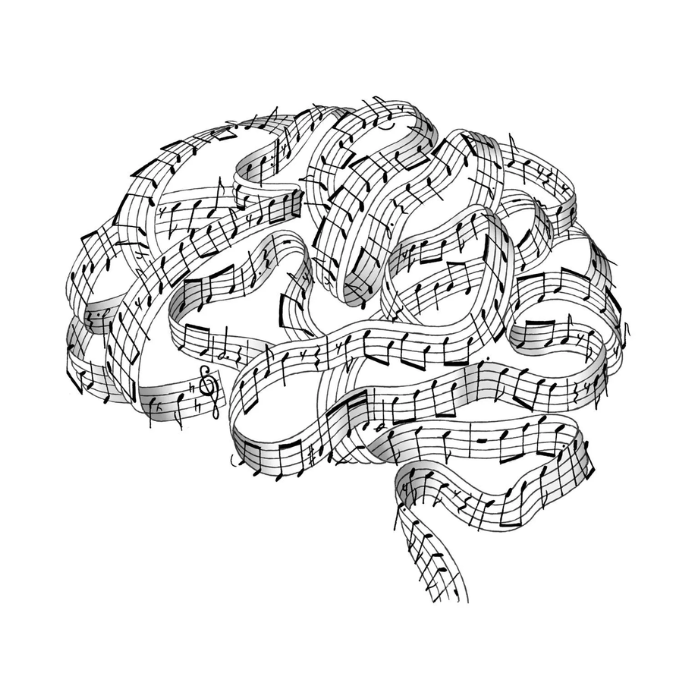
3. Music Can Ease Depression and Loneliness
Roughly 15% of adults older than 60 live with a mental health condition, and depression ranks among the most common. Music won't replace treatment for depression, but growing evidence suggests it can meaningfully support it.
Music can also support older adults’ emotional well-being and create opportunities for connection, whether they listen at home, attend a performance, or make music with others. In the University of Michigan National Poll on Healthy Aging, 75% of adults ages 50 to 80 said music helped them relax or relieve stress, 65% reported benefits for their mood or mental health, and 27% said music helped them connect with others.
4. Music Supports Physical Health and Mobility
The benefits of music extend past the brain and into the body. A 2024 review in European Geriatric Medicine examined music therapy's role in healthy aging and found consistent benefits across physical, cognitive, and social domains, including improvements in physical fitness among older adults. Rhythmic music, in particular, can help with gait training and balance, which explains why many rehabilitation programs now pair movement exercises with music.
Hospitals and care facilities have taken notice. UCLA Health notes that the benefits of music are significant enough that many facilities now run dedicated music therapy programs staffed by trained specialists.

5. Music Strengthens Social Connection
Aging well isn't only about the body and brain; it's also about staying connected to other people. Group music activities, such as orchestras, choirs, community bands, or drum circles, give older adults a built-in reason to gather regularly and build relationships.
Researchers behind a 2026 study published in the journal Frontiers in Public Health on music and digital health technology emphasized that music therapy shows real promise for enhancing mood, memory, and social engagement together, rather than addressing each in isolation. That combination may be part of why music-based programs tend to stick: people show up for the music and stay for the community.
Make Music Part of Your Routine
You don't need musical training or expensive equipment to benefit. Try one of these approaches:
- Listen actively. Set aside 20 to 30 minutes a day to listen to music you love, without multitasking.
- Join a group. Look for a community choir, drum circle, or singing group at a local senior center.
- Pick up an instrument. Even beginner lessons on piano, guitar, or ukulele can yield cognitive benefits within a matter of weeks.
- Ask about music therapy. If you or a loved one manages a chronic condition or has memory concerns, ask a doctor whether a certified music therapist could help.
Bring More Music Into Your Life
The research is clear: music offers a low-risk way to support your memory, mood, mobility and social life all at once. And you don't have to look far to start. Organizations such as the Des Moines Symphony offer concerts and events that make it easy to bring live music into your routine, whether you attend a performance or simply explore their season lineup. Whether you're humming along to the radio or settling into your seat for a live performance, every bit of music you bring into your day counts toward healthier aging.
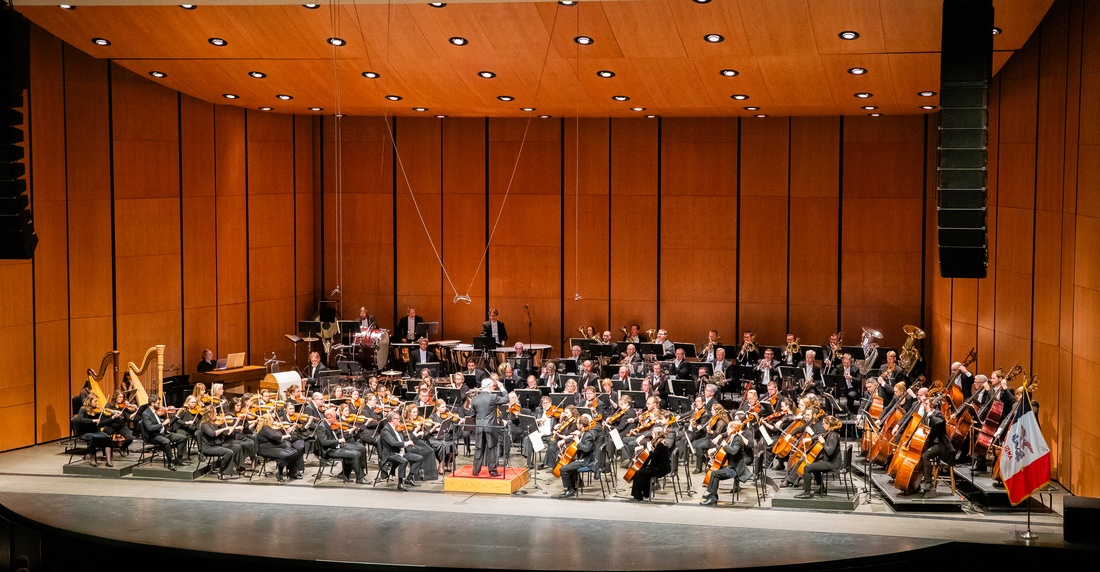
About the Des Moines Symphony & Academy
The Des Moines Symphony & Academy believes live music connects us. We create extraordinary concert experiences and transformative educational opportunities that welcome and inspire people of all ages across Central Iowa. Through dedicated teaching, innovative programming, and powerful performances of great symphonic music, we serve our community with artistry, excellence, and heart.
Check out our concerts and events, subscribe, or support our tradition of musical excellence!