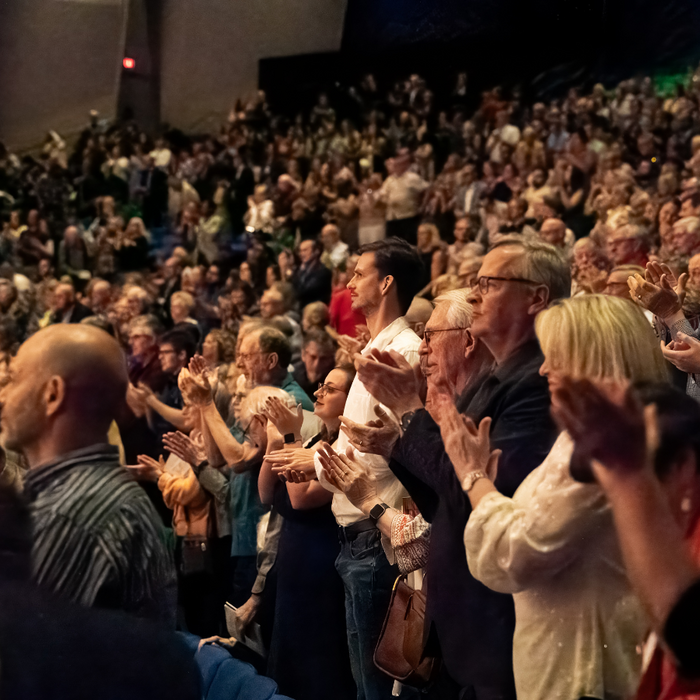
Picture this: Several hundred people, most of them strangers, file into a concert hall and settle into their seats. The orchestra starts playing, and for the next two hours, those hundreds of people breathe together, lean forward together, and feel something profound together. Nobody plans the connection. Nobody has to. The symphony makes it happen.
Many see this as a simple outing for a concert, but this experience is more than just a pleasant night out. Research and civic leaders increasingly view symphony orchestras as valuable civic investments that strengthen community vitality, cultural identity, and local economic impact. Shared musical experiences do more than entertain communities; they help build them.
A Measurable Economic Engine
Some people still frame arts funding as a luxury. The numbers tell a different story.
Symphony orchestras are cultural institutions, but they also serve as significant economic engines for the communities around them. From employment and tourism to downtown spending and nonprofit investment, orchestras generate measurable financial activity that extends far beyond the concert hall.
The broader arts and culture sector also plays a major role in the national economy. Recent data shows that arts and cultural industries contributed more than $1.1 trillion to the US economy and accounted for 4.2% of the nation’s GDP. Symphony orchestras contribute to that ecosystem through ticket revenue, wages, fundraising activity, educational programming, venue operations, and local purchasing.
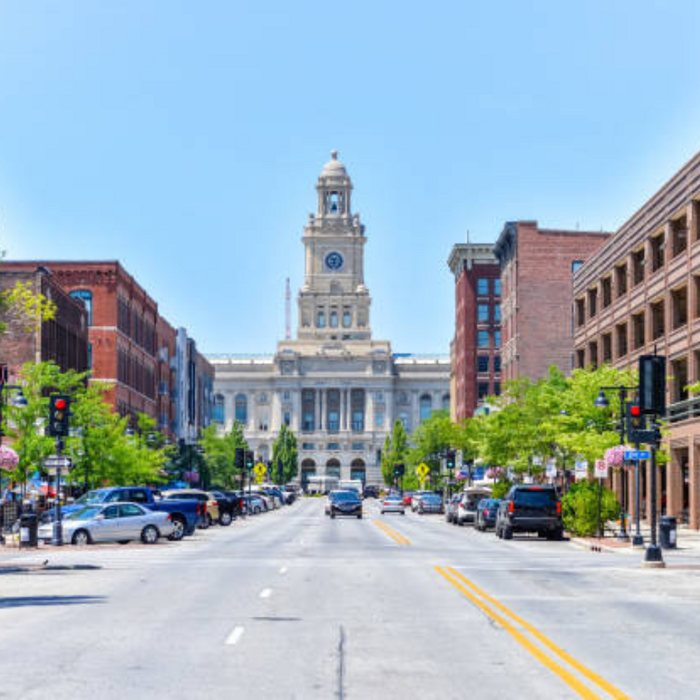
That economic impact extends well beyond the performance itself. Concertgoers often dine at nearby restaurants, pay for parking, stay in local hotels, and shop in surrounding districts before and after performances. Research from Americans for the Arts found that audiences attending nonprofit arts and cultural events spend significantly beyond the cost of admission, supporting local jobs and generating tax revenue in the process.
Orchestras also contribute to workforce development and regional attractiveness. Across the country, orchestras employ tens of thousands of musicians, educators, administrators, production professionals, and support staff.
These are not abstract statistics or feel-good talking points. They represent real wages, filled restaurant seats, hotel bookings, and renewed activity in local neighborhoods, all supported by a shared investment in live music.
Strengthening Community Vitality
The impact of a symphony orchestra extends far beyond economics. Symphony performances help shape how people experience and perceive their communities.
A vibrant arts and culture scene often reflects a community’s quality of life, civic pride, and overall attractiveness to residents, visitors, and employers alike. Symphony performances create shared public experiences that bring people together across generations and backgrounds, helping strengthen both community identity and a sense of belonging.
The Urban Institute notes that arts organizations strengthen community identity, encourage civic engagement, and revitalize neighborhoods, all while supporting economic development and helping communities attract and retain talent.
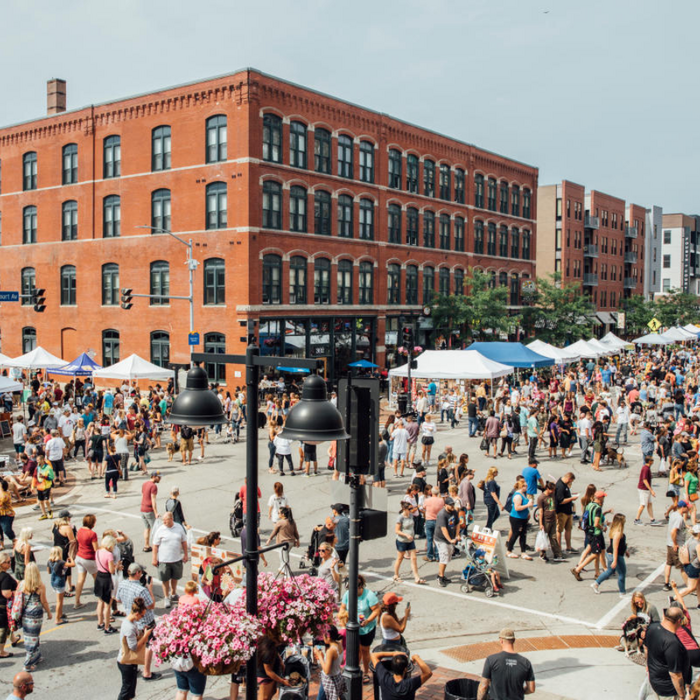
Symphony orchestras strengthen that civic fabric by creating gathering spaces where residents can share experiences, celebrate local culture, and engage with the arts in meaningful ways. Educational programs, community partnerships, outdoor performances, and public events expand access to the arts while deepening relationships between cultural institutions and the communities they serve.
The benefits ripple outward into surrounding neighborhoods. Arts activities increase foot traffic in cultural corridors and downtown districts, support nearby businesses, and encourage renewed interest in community gathering spaces.
For many cities, a strong symphony orchestra represents far more than entertainment. It reflects an investment in creativity, public life, education, and human connection — qualities that influence how residents feel about where they live and how outsiders perceive the region as a whole.
The Social Chemistry of Shared Listening
Live music creates a rare kind of shared experience. In a time when many people consume entertainment alone and online, the symphony invites audiences to experience something collectively and in real time.
Communal arts spaces naturally encourage cross-cultural connection. Because music transcends spoken language, people from different economic, racial, and generational backgrounds can share the same emotional journey. A live performance creates common ground, helping people connect through emotion, memory, and shared attention.
Those moments matter more than they may initially appear. Shared artistic experiences cultivate empathy, encourage civic connection, and create opportunities for meaningful relationships outside the auditorium doors. The symphony does not simply gather audiences in one place; it helps communities feel more connected to one another.
About the Des Moines Symphony & Academy
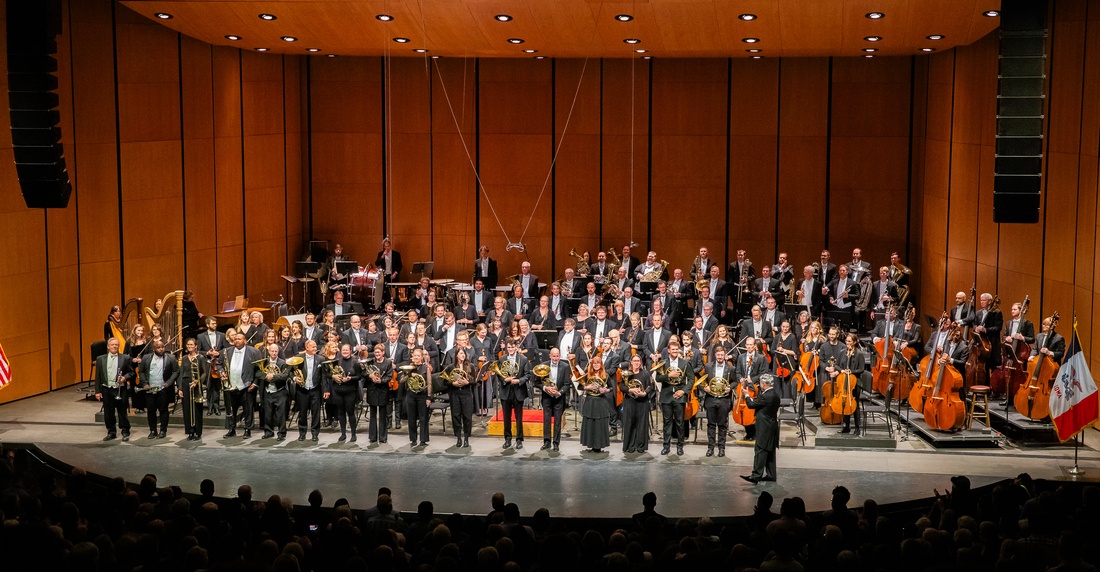
The Des Moines Symphony & Academy believes live music connects us. We create extraordinary concert experiences and transformative educational opportunities that welcome and inspire people of all ages across Central Iowa. Through dedicated teaching, innovative programming, and powerful performances of great symphonic music, we serve our community with artistry, excellence, and heart.
Check out our concerts and events, subscribe, or support our tradition of musical excellence!