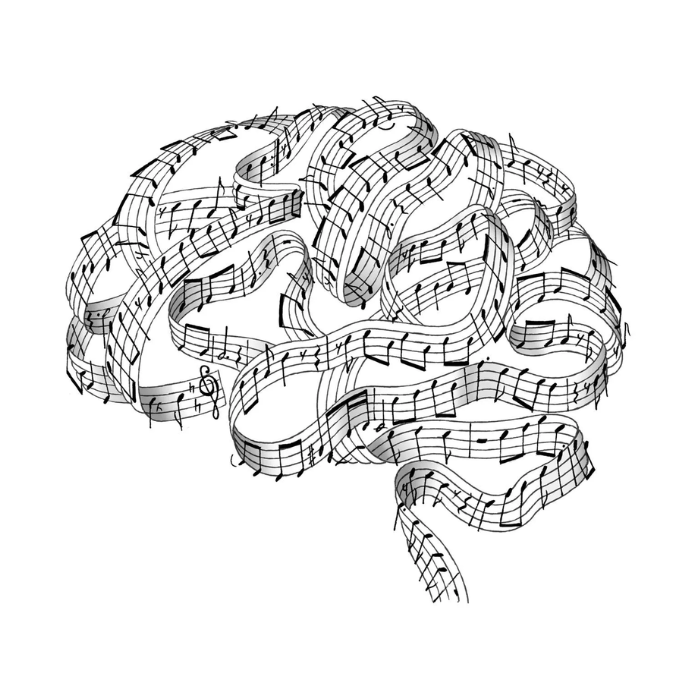
Music Activates Nearly the Entire Brain
Unlike many activities that rely on a single brain region, music engages multiple areas simultaneously. Researchers at Harvard Medical School report that music can activate nearly all major brain networks, including regions involved in memory, emotion, movement, attention, and learning.
As sound enters your ears, your auditory cortex begins processing rhythm, pitch, melody, and tone. Other regions quickly join the conversation. The hippocampus helps connect music to memories. The amygdala influences emotional responses. Motor regions react to rhythm, which explains why people naturally tap their feet, clap their hands, or dance when they hear music they enjoy.
That widespread activity helps explain why music feels so immersive and meaningful.
Music Triggers the Brain's Reward System
One of the most fascinating discoveries in neuroscience involves music and dopamine.
Dopamine is a neurotransmitter associated with pleasure, motivation, and reward. Research published by the National Institutes of Health's NCBI Bookshelf found that listening to pleasurable music triggers dopamine release in the brain's reward system, helping explain why music can feel emotionally powerful and rewarding.
Researchers have even found that anticipation plays a role. Your brain often begins releasing dopamine before a favorite musical moment arrives, creating a sense of excitement and emotional engagement.
That response helps explain why certain songs never seem to get old and why hearing a beloved piece of music can instantly improve your mood.
Music Strengthens Memory and Learning
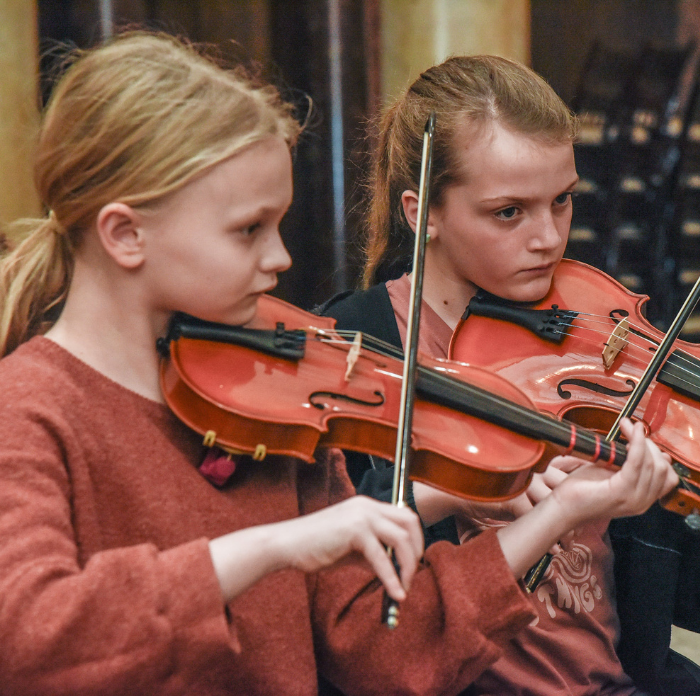
Many people associate certain songs with specific moments in their lives. A wedding song, a graduation anthem, or a favorite childhood tune can bring vivid memories rushing back within seconds.
Music creates strong connections between emotion and memory. According to Johns Hopkins Medicine, listening to music may improve mental alertness, memory, and overall cognitive function.
Researchers also continue to explore how music supports people living with neurological conditions such as Alzheimer's disease and Parkinson's disease. Music-based therapies show promise because musical memories often remain accessible even when other forms of memory decline.
For students, professionals, and lifelong learners, music can serve as a valuable tool for focus, engagement, and retention.

Music Influences Emotions and Stress Levels
People often turn to music during life's biggest moments. We celebrate with music, grieve with music, exercise with music, and relax with music.
Science helps explain why.
Research suggests that listening to music may help reduce stress by modulating the body's stress response, including lowering cortisol levels, a stress-related hormone.
A calming playlist may help lower stress after a difficult day, while an energetic soundtrack can motivate exercise or creative work.
Music Creates Human Connection
People gather around concerts, community performances, festivals, choirs, school bands, and cultural celebrations because music creates shared experiences.
Scientists believe music promotes social bonding by engaging emotional and reward systems that help people feel connected. The National Institutes of Health notes that music can encourage feelings that strengthen social relationships and community engagement.
Across cultures and generations, music serves as a universal language that helps people express emotions, share stories, and build relationships.
Why Live Music Matters
Listening through headphones offers tremendous benefits, but live performances create an experience that engages audiences in unique ways. Shared energy, visual storytelling, audience participation, and emotional connection can make music even more memorable.
Many nonprofit arts organizations play a vital role in bringing those experiences to communities. They create opportunities for people of all ages to experience the cognitive, emotional, and social benefits of music while supporting artists, educators, and cultural programs.
When audience members attend performances, volunteer, or contribute financially, they help ensure that music remains accessible to future generations.
A Powerful Force for Brain Health
Music does much more than fill silence. It activates brain networks, stimulates reward pathways, strengthens memory, influences emotions, reduces stress, and brings people together. Scientists continue to study music's remarkable effects, but one conclusion remains clear: the human brain responds to music in extraordinary ways.
Every time a favorite song gives you chills, sparks a memory, or changes your mood, music activates powerful brain networks that help you connect, learn, remember, and experience emotion.
About the Des Moines Symphony & Academy
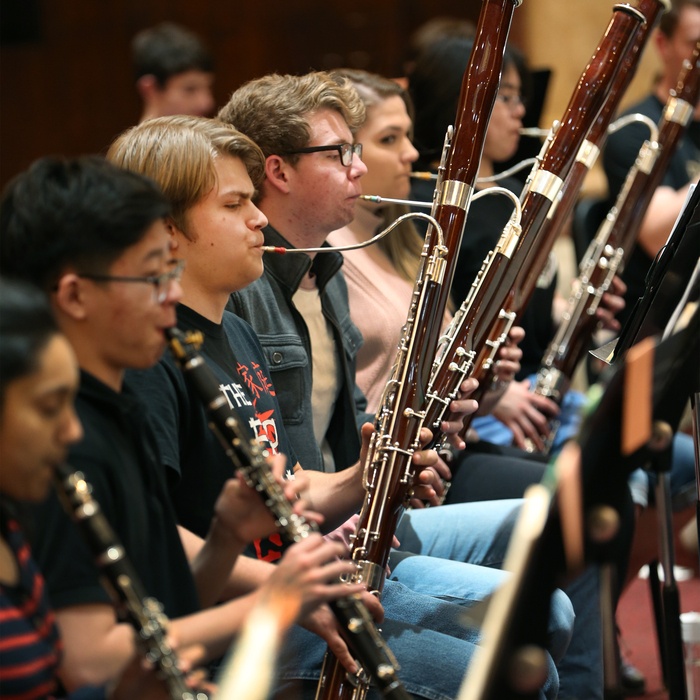
The Des Moines Symphony & Academy believes live music connects us. We create extraordinary concert experiences and transformative educational opportunities that welcome and inspire people of all ages across Central Iowa. Through dedicated teaching, innovative programming, and powerful performances of great symphonic music, we serve our community with artistry, excellence, and heart.
Check out our concerts and events, subscribe, or support our tradition of musical excellence!